
On-Page SEO: Optimize Every Element for Maximum Visibility
Transform your content into authoritative, citation-worthy resources that rank in traditional search AND get recommended by AI systems.
Home » Digital Marketing » SEO » On-Page SEO
Why On-Page SEO Matters More Than Ever
On-page SEO has evolved far beyond keyword placement. In today’s multi-platform search landscape, your content needs to satisfy human readers, traditional search algorithms, AND AI language models that decide which sources to cite when generating answers. Effective on-page optimization makes your content clear, authoritative, and valuable across every discovery channel.
When someone searches on Google, asks ChatGPT a question, or uses voice search through Alexa, optimized on-page elements determine whether your content surfaces as the answer. This is the essence of Search Everywhere Optimization—creating content that dominates regardless of where people search.
Strategic Title Tags and Meta Descriptions
Your title tags and meta descriptions are your first impression in search results. These elements must be compelling, keyword-rich, and clear enough to earn clicks in traditional search while also providing context that helps AI systems understand your content's relevance. Craft titles that balance SEO optimization with genuine human appeal—what we call "clickbait done right."
Intelligent Heading Structure
Proper heading hierarchy (H1, H2, H3) serves multiple critical functions. It improves readability for users, helps search engines understand content organization, and enables AI systems to quickly parse your content structure. Each heading should be descriptive, include relevant keywords naturally, and create a logical flow that both humans and AI can follow.
E-E-A-T Optimized Content
Experience, Expertise, Authoritativeness, and Trustworthiness (E-E-A-T) are now fundamental to rankings and AI citations. On-page SEO demonstrates E-E-A-T through author bylines with credentials, clear publication dates, cited sources, original research, case studies, expert quotes, and first-hand experience. AI systems heavily weight these trust signals when deciding which sources to recommend.
Natural, Conversational Content
Write for how people actually search and communicate. Voice search, AI assistants, and conversational queries require content that mirrors natural language patterns. Answer questions directly and clearly, then expand with comprehensive detail. This approach satisfies quick seekers in AI-generated overviews while providing depth for those who click through.
Semantic Keywords and Topic Coverage
Modern on-page SEO focuses on comprehensive topic coverage, not just primary keywords. Include related terms, synonyms, and semantically connected concepts that demonstrate deep subject matter expertise. This helps you rank for a wider range of queries and signals to AI that your content is a comprehensive, authoritative resource.
Strategic Internal Linking
Internal links distribute authority throughout your site, guide users to related content, and help both search engines and AI understand your site's topic architecture. Create topic clusters with pillar pages linking to supporting cluster content. Use descriptive, keyword-rich anchor text that clearly indicates where each link leads.
Optimized Multimedia Integration
Images, videos, infographics, and interactive elements enhance user engagement and provide additional ranking opportunities. Every image needs descriptive alt text (for accessibility and AI understanding). Videos should include transcripts. Visual content should be optimized for fast loading without sacrificing quality.
Featured Snippet Optimization
Structure content to win featured snippets—the position zero results that appear above organic listings and are frequently cited by AI systems. Use concise paragraph answers (40-60 words), formatted lists, comparison tables, and clear Q&A structures that make it easy for search engines and AI to extract and display your content.
Schema Markup for Rich Results
Implement structured data to enable rich snippets, knowledge panels, and enhanced search results. Article schema, FAQ schema, How-To schema, Review schema, and Product schema all make your content more prominent in search results and easier for AI to parse and cite.
Content Freshness and Updates
Regularly update existing content with current information, fresh examples, and new data. Search engines favor recently updated content, and AI systems prioritize sources with current, accurate information. Include publication and last-modified dates to demonstrate content freshness.
Mobile-First Content Design
Format content for mobile-first consumption with short paragraphs, ample white space, scannable sections, and clear visual hierarchy. The majority of searches happen on mobile devices, and Google's mobile-first indexing means your mobile experience IS your search ranking.
On-Page SEO Resources
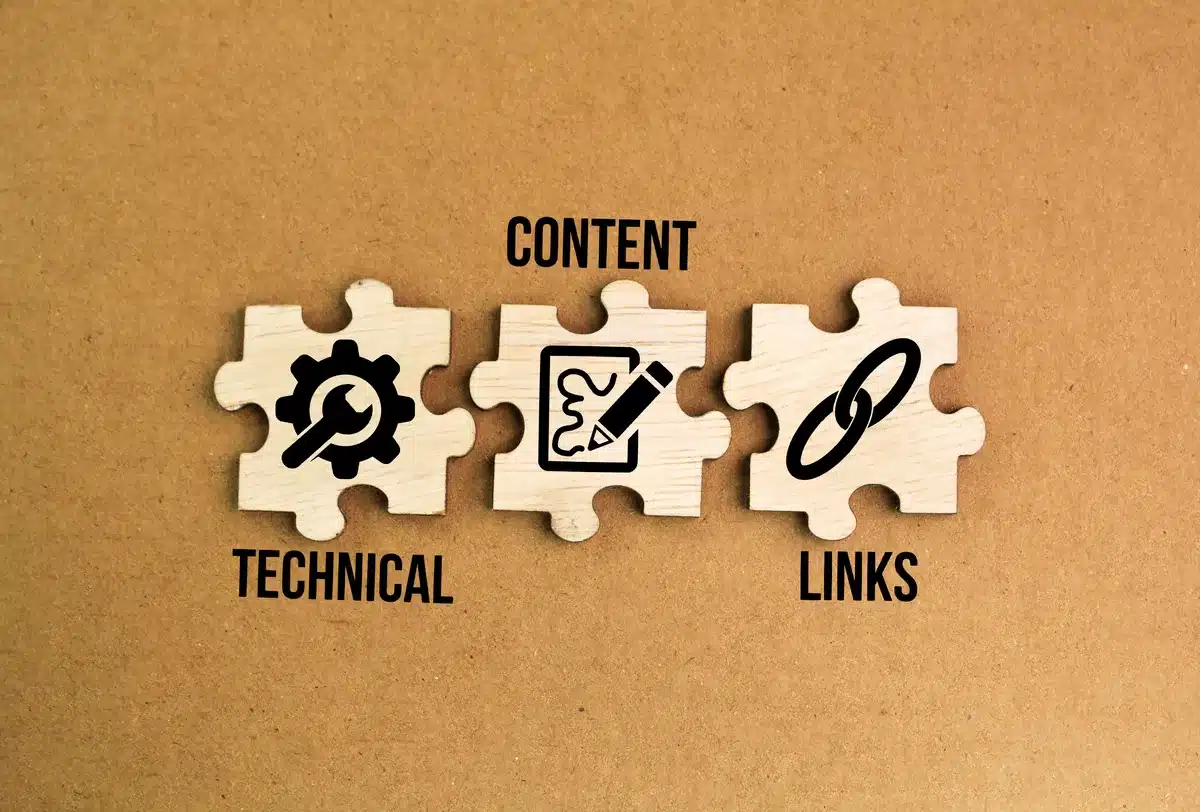
On-page content optimization is one of the most reliable ways to improve organic performance without launching new campaigns or rebuilding […]
The On-Page SEO Difference
When on-page elements work together—strategic keywords, clear structure, E-E-A-T signals, natural language, and multimedia richness—your content becomes citation-worthy across the entire search ecosystem. You’re not just optimizing for rankings; you’re creating resources that search engines trust, AI systems recommend, and users value.