
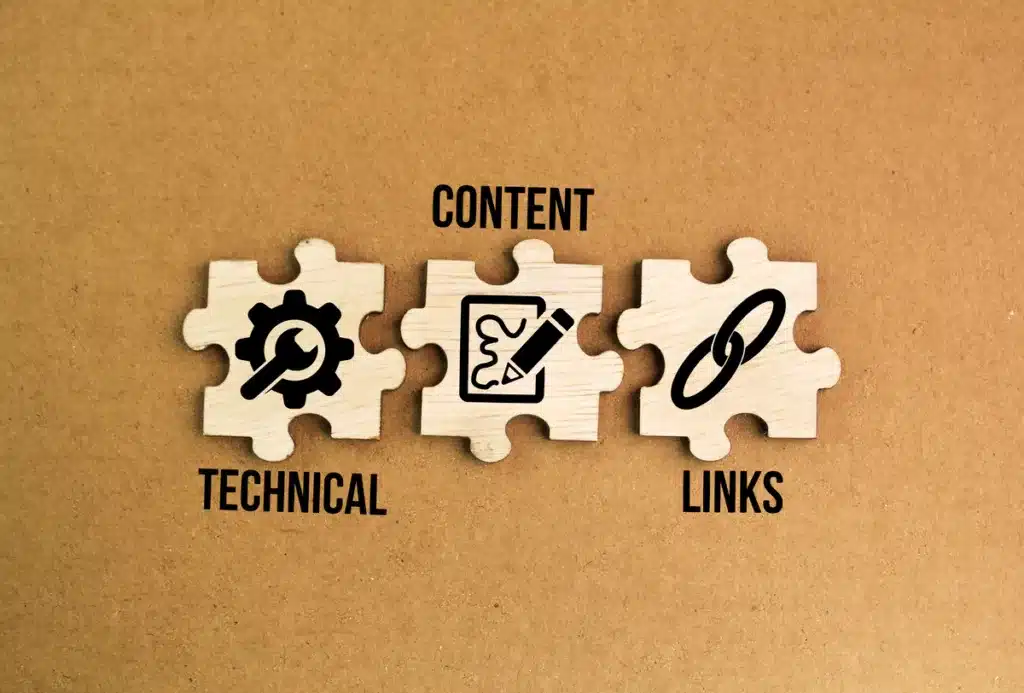
On-page content optimization is one of the most reliable ways to improve organic performance without launching new campaigns or rebuilding your website. By refining what is already in place, you can close relevance gaps, better match search intent, and improve the engagement signals that search engines use. When you pair a thoughtful optimization process with expert SEO services, each update becomes a small, measurable step toward stronger visibility and better leads.
Why On-Page Content Optimization Still Matters for SEO
Many websites already have a solid foundation of pages that receive impressions but not enough clicks or conversions. On-page content optimization focuses on closing the gap between what searchers expect to see and what your page actually delivers. That includes clarifying the main topic, aligning headings with real search queries, and resolving thin or duplicated content.
How to Evaluate Existing Pages Before You Optimize
Before you make any changes, you need a clear picture of how a page is performing today. Start by reviewing metrics such as impressions, clicks, click-through rate, average position, and conversions for your primary keywords. Then read the page from a visitor’s perspective and ask whether the introduction matches the query, the headings form a logical outline, and the content answers obvious follow-up questions.
Practical On-Page Adjustments That Move the Needle
Once you understand how a page is performing and where it falls short, you can plan specific on-page content optimization tasks. Common adjustments include tightening or expanding the introduction, rewriting headings to mirror how people actually search, and breaking long paragraphs into shorter, scannable chunks.
Measuring the Impact of On-Page Updates Over Time
After you publish updates, give search engines time to crawl and index the revised page before you judge the results. Track changes in rankings for your target queries, but also watch how click-through rate, time on page, and conversions shift over several weeks. If the page is moving in the right direction, consider applying similar optimization patterns to other pages with similar issues. If performance is flat or declining, revisit your assumptions about search intent or competitiveness and refine the content again.
Building a Simple On-Page Optimization Checklist for Your Team
To keep on-page content optimization consistent, create a simple checklist that writers, editors, and subject matter experts can follow. Include steps such as confirming the primary keyword and search intent, drafting a clear and specific title, and writing an introduction that sets expectations.
Key Takeaways
Here are a few important points to keep in mind before you update existing pages.
- On-page content optimization improves the pages you already have so they better match search intent and user expectations.
- Data from search console and analytics should guide which pages you prioritize and how aggressively you revise them.
- Clear structure, targeted headings, and concise examples often lift engagement more than simply adding extra paragraphs or keywords.
FAQs
Q: How often should we revisit on-page content optimization for key pages?
A: Most organizations benefit from reviewing their highest value pages at least once or twice a year. If rankings, traffic, or conversions drop suddenly, that is a sign to reassess search intent and consider a focused refresh sooner.
Q: Do we always need to make pages longer when we optimize them?
A: Not necessarily. Sometimes the best optimization is to remove repetition, tighten explanations, or split topics into separate pages. The goal is to create the clearest, most useful version of the page, not to hit an arbitrary word count.
Q: Which tools help identify pages that need on-page optimization?
A: Analytics platforms, search console reports, and heatmap tools can all highlight pages that attract attention but fail to convert. Look for deep impressions with low click-through rate, short sessions, or weak conversion rates as signals that optimization work may pay off.
If you are unsure where to start with on-page content optimization, begin by reviewing a small group of important pages and how visitors interact with them. From there, design a simple checklist for titles, introductions, headings, and calls to action so each update has a clear purpose. When you want expert guidance, you can speak with an expert who will review your data and recommend a practical optimization plan.
Disclaimer: This content is for informational purposes only and does not constitute professional advice.